FAQ
Frequently Asked Questions about the Northwest Land Claim
What is the Northwest Land Claim?
The Claim is a legal case brought forward by 34 Métis citizens in Northwest Saskatchewan. It is based on the historic presence of Métis communities who lived, worked, and governed in the area before Canada expanded westward.
Why is the Claim important?
The Claim is about recognizing the Métis footprint in Northwest Saskatchewan and addressing historical gaps where Métis land rights outside of Red River were not properly acknowledged. It reflects the reality that historic Métis communities in Saskatchewan:
· established permanent settlements prior to Canadian occupation;
· built thriving economies tied to land and trade; and
· maintained their own governance and culture over generations.
What area does the Claim cover?
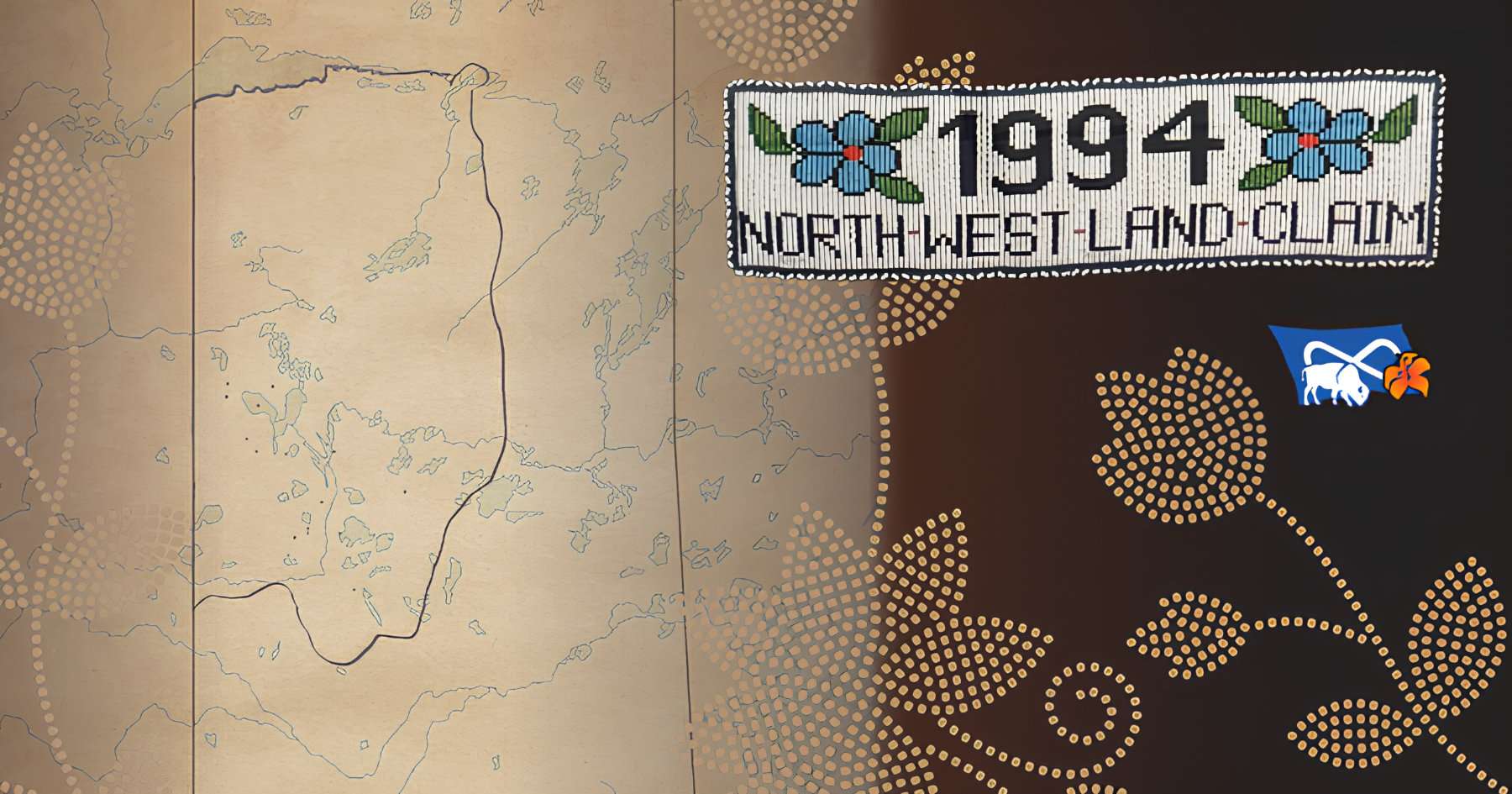
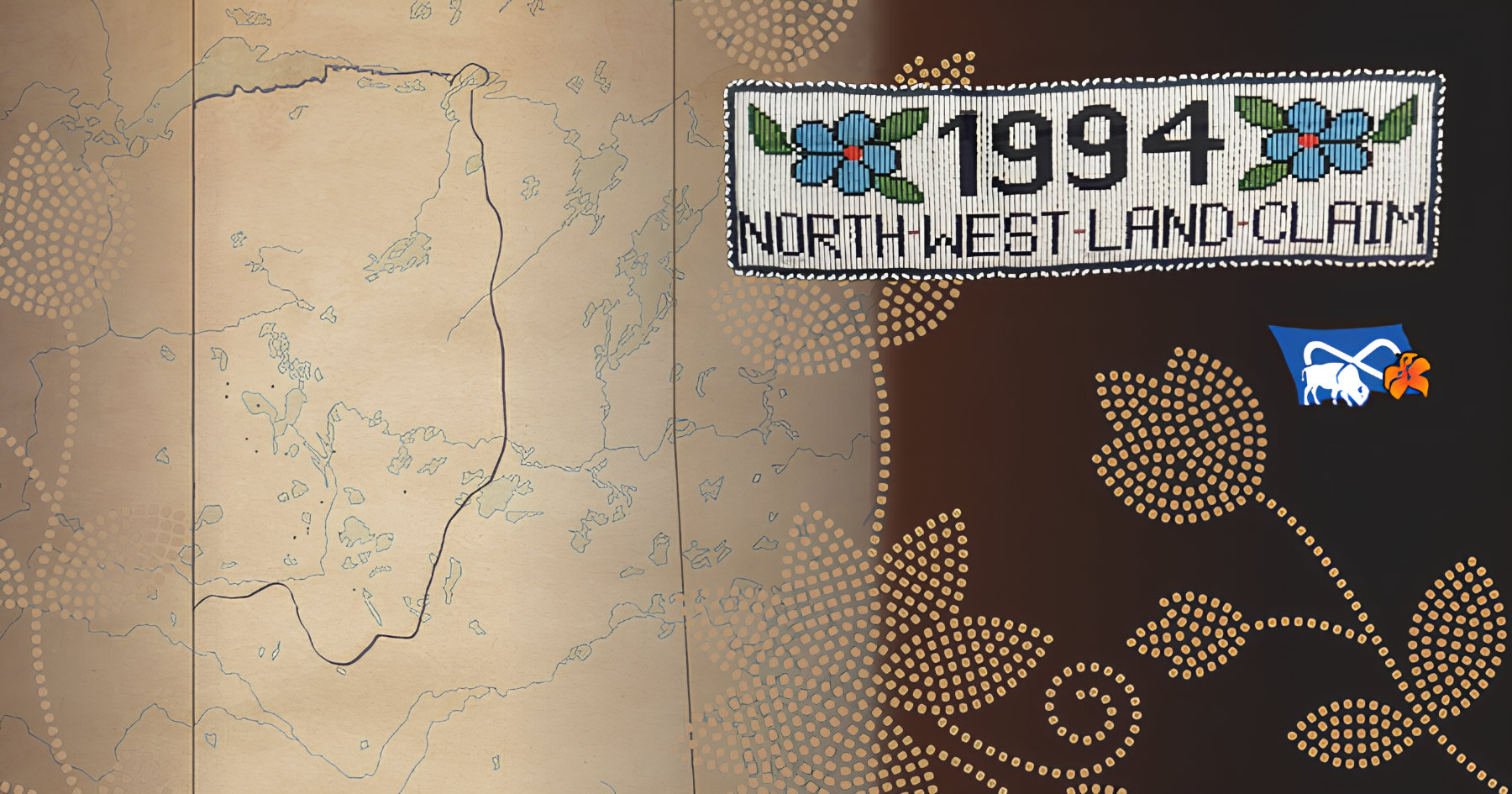
While the Métis homeland includes the Western provinces, the Claim stands as a distinct and complementary affirmation of Métis identity and their footprint. Métis communities were established as early as the late 1700’s in what is now Northwest Saskatchewan. The land claim span covers 120,000-122,000 square kilometres in northern Saskatchewan and Alberta; this includes parts of the Métis homeland in Northern Region II and Northern Region III and is connected to historic communities such as Île-à-la-Crosse, Green Lake and Buffalo Narrows.
Who brought forward the Claim?
The Claim was originally filed in 1994 by 34 Métis citizens from Northwest Saskatchewan, including Elders and community leaders. The MN-S and the Métis National Council (MNC) were also plaintiffs on the original filing. In the early 2000s the Court stayed proceedings which prevented all parties from moving forward until research documents were provided. The claim has always been supported by the Métis Nation–Saskatchewan and the North West Saskatchewan Métis Council (NWSMC), and since 2019 they have prioritized moving the claim forward.
What does the claim seek?
· Recognition of Métis Aboriginal title and land rights within the claimed geographic area.
· The ability to continue traditional practices like hunting, fishing, and harvesting.
· A commitment from governments to negotiate in good faith.
What is the “Métis Footprint”?
The “Métis Footprint” refers to the long-standing presence of Métis people in Saskatchewan. The Claim is based on documented history, not new assertions. This includes:
· settlements dating back to the 1700’s;
· communities formed around, and establishing fur trade networks; and
· ongoing governance, culture, and economic activity tied to the land.
How does the scrip system relate to the Claim?
The scrip system was a process used by Canada in Saskatchewan between 1889 and 1907 to extinguish Métis Aboriginal title to land in exchange for money certificates. This claim argues:
· scrip was not designed to protect Métis land or livelihoods;
· commissioners did not negotiate collectively with Métis communities; and
· scrip did not extinguish Métis Aboriginal rights, despite Canada’s refusal to recognize those rights later.
What is the current status of the Claim?
After nearly 20 years of delay, the Claim is now moving forward again. Recent progress includes:
· research documents supporting the Claim were submitted to the Court in 2025;
· notice to proceed was filed in April 2025 by MN–S and NWSMC. Canada and Saskatchewan were served with notice of intention to proceed; and
· approval to lift the legal “stay” is made by the Provincial Métis Council (PMC) in 2026 clearing a major barrier that paused the Claim.
What is “lifting the stay”?
A “stay” is a pause in legal proceedings. Lifting the stay means:
· the Claim can move forward again;
· discussions or court processes can resume; and
· the Claim may proceed toward negotiation or litigation.
Does this affect private land owners?
No – this process does not mean private land will be affected. Land claims are typically resolved through:
· Negotiations;
· agreements involving Crown land; or
· compensation or other arrangements.
How does this affect Métis citizens in the Northwest and across Saskatchewan?
The Claim has the potential to:
· strengthen the recognition of Métis Aboriginal rights;
· support long-term community benefits and funding opportunities; and
· create opportunities tied to land, resources, and governance.
Interest and impact will continue to grow as outcomes become clearer.
Does this relate to Self- Government (Treaty) advancement?
The Claim is separate from any ongoing Self-Government Agreement negotiations with Canada. It is complementary to the Self-Government Treaty process, and is self-government in action.
How long does this process take?
Land claims are complex and can take several years, there is no definitive timeline. The timeline depends on:
· negotiations between governments;
· legal proceedings; and
· Agreements which may be reached by all parties.
How does this relate to First Nations rights and interests?
MN–S recognizes and respects the rights, title, and jurisdiction of First Nations. The Claim is specific to Métis people and is based on the distinct history, communities and governance of the Métis people in Northwest Saskatchewan. This work is about recognition of Métis presence and rights in the region, alongside other Indigenous Peoples; it does not infringe on First Nations rights. MN–S is committed to respectful dialogue and relationship building with First Nations as this work moves forward.